Flower: A Versatile Embroidery Design for Craft Fair Success
As an embroidery designer who has spent countless weekends setting up booth displays at local craft fairs and handmade markets, I know that the difference between a slow Saturday and a sold-out inventory often comes down to the designs we choose. When I first pulled up the Flower digital embroidery file on my screen, my immediate reaction was one of practical optimism. This isn't just another generic motif; it is a potential workhorse for a small shop product line. The title suggests simplicity, but in the world of commercial embroidery, simple often translates to timeless and highly sellable.
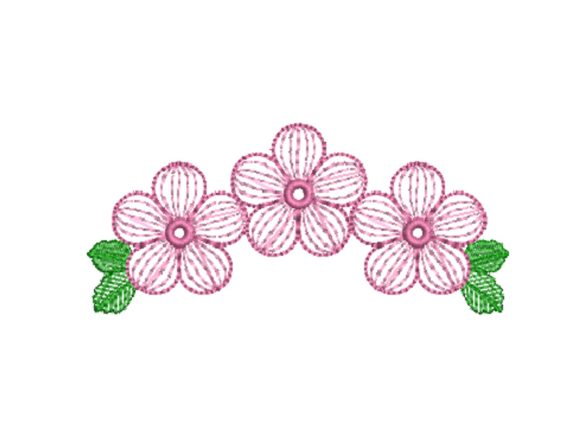
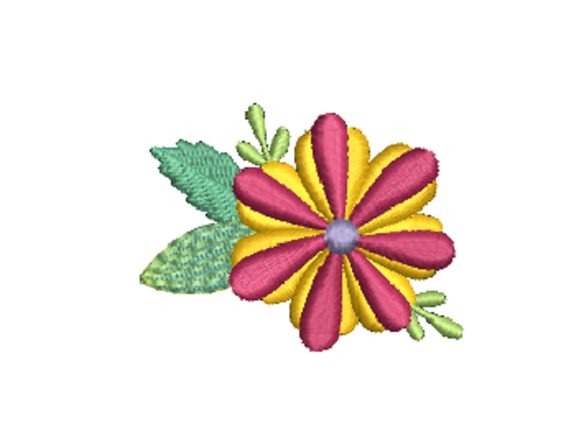
The listing clearly states that this is a digital embroidery file, not a physical patch or finished item. This distinction is crucial for us as creators. We are buying the tool, not the treasure. The treasure is what we create when we apply this machine embroidery design to the right substrates. Based on the "Floral" category and the visual nature of the title, my first impression is that Flower leans towards a soft, decorative aesthetic. It feels versatile enough to fit into a modern farmhouse booth display or a chic, minimalist boutique setup. It lacks the aggression of a bold graphic logo, instead offering the kind of gentle appeal that draws in customers looking for handmade gifts with a personal touch.
Evaluating Market Potential Across Product Lines
When preparing for a craft fair, I mentally walk through my table layout before I even thread the needle. Where does Flower fit best? My experience tells me that floral motifs thrive on home goods and wearable accessories. For a tote bag design, this pattern would likely serve as a beautiful focal point. Tote bags are high-visibility items at markets; a well-placed flower can catch the eye of a passerby from ten feet away. If the stitch count allows for a larger scale, it could dominate the front of a canvas market bag, instantly elevating a plain utility item into a piece of art.
Moving to the kitchen sector, apron embroidery and tea towel embroidery are perennial bestsellers. A single, elegant flower on the pocket of a linen apron or the corner of a waffle-weave tea towel adds that specific "handmade quality" that Etsy shoppers and fair attendees crave. It signals effort and care without overwhelming the fabric. However, I would be cautious about using this on an embroidered patch unless the design details are robust enough to survive the merrow edge process. Tiny petals can sometimes get lost or merge when bordered tightly, so checking the clarity at smaller sizes is essential.
For those targeting the apparel niche, caps and pouches offer great opportunities. A Flower motif on the front panel of a dad hat or a structured cap can soften the look, making it appealing to a broader demographic than just sports fans. Similarly, on small fabric pouches used for cosmetics or coins, this design acts as a premium accent. The key here is understanding how the design performs as a small accent versus a large statement. If Flower maintains its integrity when scaled down to two inches, it becomes a incredibly versatile asset for a wide range of finished product options.
Production Realities and Technical Considerations
While the visual appeal is strong, the real judgment happens during the test stitch-out. As a professional, I never assume a digital embroidery file is perfect straight out of the download folder. There are several practical selling and production points to consider before committing to batch production for a weekend event.
First, we must evaluate stitch density. Floral designs can sometimes suffer from excessive density in the petal areas, leading to a stiff, cardboard-like feel on soft fabrics like cotton tees or lightweight linens. If the Flower design is too dense, it may pucker the fabric or make a tote bag uncomfortable to carry. Conversely, if the density is too low, the fabric might show through, ruining the solid color blocks expected in a floral motif. Testing on scrap fabric identical to your final product is non-negotiable.
Thread contrast is another critical factor. Does the design rely on subtle shading, or does it use distinct thread colors to define the petals? Subtle gradients can look muddy on textured towels or dark fabrics. If you plan to sell on dark navy or black items, you must ensure the design has enough brightness and contrast to pop. A flower that looks stunning on white muslin might vanish on a charcoal hoodie.
We also need to talk about surface challenges. Embroidering on curved surfaces like caps requires a design that doesn't have wide, flat spans of stitching that could bridge or collapse over the curve. Similarly, thick fabrics like terry cloth towels demand a design that doesn't get swallowed by the loops of the fabric. If Flower has fine, tiny details or small lettering integrated into the stems, these elements are at high risk of being lost on textured materials. In such cases, simplifying the underlay or choosing a smoother fabric alternative is wise.
Maximizing Visual Appeal and Brand Consistency
The ultimate goal of using Flower is to drive buyer engagement. A cohesive booth display strengthens brand perception. If you are an Etsy seller or a market vendor, using this design across a coordinated collection—matching tea towels, aprons, and tote bags—creates a powerful visual narrative. It tells the customer that you have a curated style, not just random items. This consistency builds trust and increases the perceived value of your handmade product offerings.
Photography plays a massive role in online sales. A well-executed Flower embroidery makes for an excellent printable mockup or a stunning hero image for your listings. The organic shapes of florals tend to photograph beautifully in natural light, highlighting the texture of the stitches. Ensure your design assets include high-resolution photos of the actual stitched output, not just the digital preview, to manage customer expectations regarding the tactile nature of the item.
Final Designer Notes for Commercial Success
Before you list your items or pack your booth, take a moment to review the technical specifics provided in the original listing. Since the description notes that license terms and specific file formats were cut off ("And a wa..."), you must verify the commercial licensing status. Are you allowed to sell unlimited commercial embroidery products, or is there a cap on the number of items? Never assume; always confirm to protect your business.
Additionally, check the required hoop size. If the design is larger than your standard 4x4 hoop, you will need to plan your production workflow accordingly, perhaps investing in a larger frame or adjusting your product selection to fit your existing equipment. Finally, select the right stabilizer. A cut-away stabilizer is often best for stretchy fabrics to prevent distortion over time, while a tear-away might suffice for stable woven linens used in kitchen decor.
In conclusion, Flower represents a solid opportunity for craft fair sellers and creative entrepreneurs. Its potential lies in its adaptability across various craft fair product categories, from home decor to fashion accessories. By paying attention to fabric texture, stitch density, and proper stabilization, you can transform this digital file into a tangible bestseller. Remember, the design is only half the equation; your expertise in execution is what turns a simple flower into a profitable small shop product.