Jacaranda Frame: A Designer's Review for Real Projects
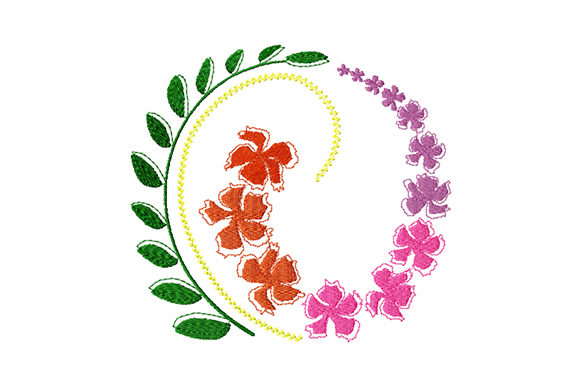
When I first opened the Jacaranda Frame on my screen, I wasn't looking for just another floral motif to fill a gap in my library. As someone who spends hours digitizing, stitching, and selling handmade goods, I need designs that hold up under the needle and look expensive on the finished product. This design falls squarely into the Floral Wreaths category, but it carries a specific mood that sets it apart from generic botanical outlines. The immediate impression is one of soft elegance; the flowing lines suggest the cascading nature of the actual Jacaranda tree, offering a more organic feel than rigid, geometric frames.
First Impressions and Visual Personality
The layout of the Jacaranda Frame feels intentional. It doesn't scream for attention with overly dense saturation, which is often a trap in machine embroidery design. Instead, it relies on a balance of negative space and deliberate stitch placement. Visually, it creates a gentle enclosure, making it an ideal candidate for framing monograms, initial letters, or small celebratory dates. The theme leans towards spring and renewal, yet the sophistication of the line work allows it to transcend seasonal limitations. For a designer, this versatility is gold. It means I can pitch this to a client for a wedding suite in June or a nursery decor piece in December without the design feeling out of place.
In terms of visual personality, the design exudes a calm confidence. It lacks the chaotic energy of wildflower bursts, opting instead for a structured grace. This makes it particularly suitable for brands that want to project reliability and warmth. When evaluating the embroidery file structure, one can anticipate a mix of stitch types. While I cannot confirm the exact breakdown without running the simulation, a design of this caliber typically utilizes satin stitch for the defining stems to create a smooth, rope-like texture, paired with lighter fill stitch or running stitch details for the foliage to prevent puckering.
Real-World Application: The Custom Tote Scenario
To truly test the viability of the Jacaranda Frame, I mentally placed it onto a current project: a custom canvas tote bag for a local boutique. The client wanted something that felt artisanal but not overly rustic. Here is where the design shines. Placed centrally on a natural cotton tote, the frame provides a perfect border for the shop's logo. The open center allows the brand name to breathe, while the floral elements soften the commercial edge.
However, the real test is how it translates to different substrates. On a thick canvas, the stitch density needs to be robust enough to sink slightly into the weave without getting lost. If the density is too light, the fabric grain will show through, ruining the crispness of the lines. Conversely, if I were to apply this to a sweatshirt embroidery project, the stretch of the fleece becomes a factor. The Jacaranda Frame appears to have enough structural integrity to handle slight movement, but this is where a prudent designer would insist on testing scrap fabric first. A failure here means a distorted wreath and an unhappy customer.
For baby embroidery, such as a bib or a onesie, the scale of the design matters immensely. Assuming the file comes in multiple sizes—a standard expectation for professional digital embroidery file packages—the smaller hoop version would be exquisite on a chest pocket. The delicate nature of the Jacaranda motif aligns perfectly with the softness required for infant apparel. It avoids the chunky, heavy look that can irritate sensitive skin, suggesting a thoughtful approach to the original digitizing.
Navigating Fabric Textures and Hoop Constraints
Every design has its kryptonite, and for intricate floral frames, it is often textured or difficult fabrics. When working with the Jacaranda Frame on dark fabric, thread color contrast becomes the primary concern. A navy thread on a black garment might look sophisticated in a mockup but disappear entirely once stitched. I always advise checking the design in a black-and-white preview to ensure the value contrast holds up. If the design relies heavily on subtle shading, it may vanish on deep charcoal or midnight blue textiles unless a lighter thread palette is chosen.
Curved surfaces present another challenge. Applying this to a cap requires careful consideration of the hoop size and the curvature of the front panel. A wide, sprawling wreath might distort over the curve, causing the bottom elements to gap or the top to bunch. The Jacaranda Frame seems compact enough to work on a standard cap front, provided the stabilizer game is strong. Using a cut-away stabilizer is non-negotiable here to maintain the shape of the wreath after the hat is worn and washed repeatedly.
Thin fabrics like silk scarves or lightweight linens also demand caution. If the stitch density is high, the needle perforations can weaken the fabric, leading to tearing along the stitch lines. In these cases, the design might need to be scaled down, or a water-soluble topper should be used to prevent the stitches from sinking too deeply into the weave. This is especially true for detailed corners; if the frame has sharp turns or fine tips, those are the first places to show registration errors on slippery materials.
Commercial Value and Brand Consistency
For the Etsy seller or small shop owner, the Jacaranda Frame offers more than just aesthetic appeal; it offers brand consistency. Using a cohesive set of design assets helps customers recognize your work instantly. If you specialize in personalized gifts, this frame can become a signature element of your handmade product line. Whether it is adorning a kitchen towel, a pillow cover, or an apron, the consistent use of this motif builds trust. Customers begin to associate that specific floral elegance with your level of quality.
Furthermore, the design enhances the perceived value of the finished product. A well-executed floral frame elevates a simple item into a boutique piece. It suggests that time and care went into the creation, justifying a higher price point. For those creating printable mockups to sell digital previews or marketing materials, the clean lines of the Jacaranda render beautifully in photos, driving buyer engagement on social media platforms.
Practical Notes for the Working Designer
Before committing to a full production run with the Jacaranda Frame, there are several critical steps to take. First, always stitch out a sample on the actual fabric intended for the final product. Screen visuals can be deceiving regarding texture and sheen. Second, verify the licensing terms. While the description mentions it can be used in multiple projects, confirming whether it covers commercial embroidery sales or if it is limited to personal use is vital to avoid legal pitfalls.
- Check Stitch Density: Run a simulation to ensure the fill areas aren't too heavy for stretchy knits.
- Thread Selection: Test variegated threads against solid ones to see which brings out the best dimension in the petals and leaves.
- Stabilizer Choice: Match the stabilizer weight to the fabric; heavy designs need firm support.
- Scale Verification: Ensure the smallest available size still retains clarity in the fine details.
- Wash Testing: Wash and dry the sample piece to check for puckering or thread breakage.
Ultimately, the Jacaranda Frame stands out as a versatile, high-quality addition to any embroidery project toolkit. It bridges the gap between decorative flair and functional design, making it a reliable choice for both hobbyists and professional craft business owners. By respecting the material constraints and preparing adequately, this design can transform ordinary items into cherished keepsakes.