Redwork Flowers: A Designer's Review for Craft Fair Success
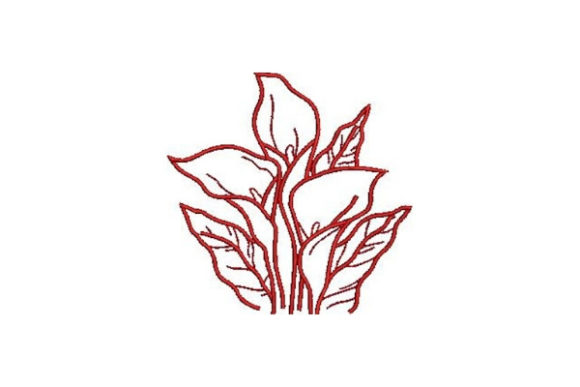
As I prepare my booth for the upcoming weekend craft fair, I am constantly evaluating which machine embroidery design will give me the best return on investment regarding time, materials, and customer appeal. Today, I am taking a close look at Redwork Flowers. Based on the product description promising a "cute and detailed design" that stitches well on any fabric, this piece feels like a strong contender for my table display. The aesthetic immediately strikes me as a blend of farmhouse charm and modern minimalism. It has that timeless, rustic quality that tends to resonate deeply with shoppers looking for authentic handmade products.
First Impressions and Visual Appeal
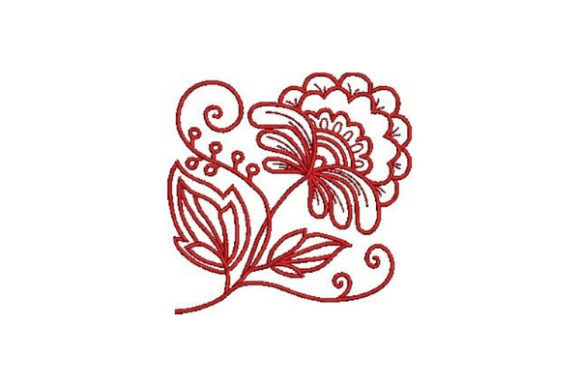
When I first loaded the digital embroidery file into my software to preview it, the simplicity of the outline style stood out. Unlike dense, satin-stitch designs that can sometimes look heavy or overly commercial, Redwork Flowers offers a lightness that feels incredibly approachable. In the context of Outline Flowers, this design seems to prioritize clean lines over filled areas. This is crucial for a craft fair setting where customers often browse quickly; a design needs to be understood at a glance. The "cute" descriptor in the product info holds true—it feels friendly and inviting rather than stiff or formal.
For an Etsy seller or boutique maker, visual appeal translates directly to sales. This design photographs exceptionally well because the lack of heavy thread buildup reduces shadows in product photos. Whether I am creating a printable mockup for my online shop or snapping pictures of my physical booth samples, the clarity of the lines ensures the design pops against various background colors. It adds a touch of premium handmade quality without overwhelming the base material.
Strategic Product Placement for Maximum Sales
The versatility of Redwork Flowers is its strongest asset when planning a diverse inventory. I am envisioning this design across several key categories to maximize its potential:
- Tote Bags and Market Bags: This is likely the winner. A large floral outline on a natural canvas tote creates an instant statement piece. The tote bag design market is saturated, but a clean redwork style distinguishes itself from the typical loud, multi-colored prints.
- Kitchen Linens: For tea towel embroidery and aprons, this design is perfect. The open nature of the stitching allows the texture of waffle weave or linen to show through, enhancing the fabric texture rather than hiding it. An apron embroidery featuring these flowers on the bib or pocket adds a sweet, functional decorative element.
- Patches and Pouches: As an embroidered patch, this design would sell well as an add-on item. Customers love buying small, affordable upgrades. Similarly, on small fabric pouches, the scale of the flowers seems appropriate for a focal point without crowding the zipper.
- Home Decor: Pillow covers are another excellent avenue. The design acts as a sophisticated accent that fits into various interior styles, from boho to traditional.
In terms of commercial embroidery viability, the repeatable nature of floral motifs means I can easily batch-produce these items. If I set up an assembly line for tea towels, Redwork Flowers is simple enough to hoop and stitch efficiently, yet complex enough to feel like a custom small shop product.
Practical Production and Technical Considerations
While the description states the design will "stitch well on any piece of fabric," experienced designers know we must always verify technical details before committing to a full production run. There are specific areas where caution is required to ensure the finished product meets professional standards.
First, consider the stitch density. Redwork is generally lighter, but if the "detailed" aspects involve very tight turns or small elements, there is a risk of puckering on lightweight fabrics like silk or thin cotton. I always recommend testing the design on scrap fabric identical to your final product. Check how the thread colors contrast with the material; a classic red thread on white is stunning, but navy or forest green could offer a more modern twist for different customer preferences.
Another critical factor is the hoop size. Since the provided text mentions the design comes with "multiple emb" (likely implying multiple formats or sizes), you must confirm which version fits your specific hoop. Do not assume the largest version fits a standard 4x4 hoop without checking the actual dimensions in your software. Using the wrong stabilizer is also a common pitfall. For textured towels or thick canvas, a cut-away stabilizer might be necessary to prevent distortion, whereas a tear-away could suffice for smooth quilting cotton.
Be particularly careful with curved surfaces like caps. While the design is lovely, intricate outlines can lose clarity if the fabric curves too sharply under the needle. Additionally, avoid placing tiny details on dark fabrics unless you are using a high-sheen or brightly colored thread that guarantees visibility. Designs that rely on fine lines can sometimes disappear against busy patterns or low-contrast backgrounds.
Enhancing Brand Consistency and Buyer Engagement
Incorporating Redwork Flowers into your lineup does more than just add a pretty picture; it strengthens your brand identity. Consistency is key for craft fair product success. If your booth features a cohesive palette where this floral motif appears on towels, bags, and patches, it creates a curated look that encourages buyers to purchase multiple items. It signals that you are a thoughtful designer who cares about aesthetics, not just someone printing random images onto blanks.
Customer attention is often drawn to items that look achievable yet elegant. When a shopper sees this design, they recognize the skill involved in the alignment and stitching, which justifies a higher price point compared to mass-produced goods. It invites conversation, allowing you to explain your process and the quality of your design assets. This engagement is the heartbeat of a successful handmade business.
Final Verdict and Next Steps
Redwork Flowers appears to be a high-value addition to any embroidery entrepreneur's library. Its ability to adapt to various handmade gifts and home goods makes it a versatile workhorse for the upcoming season. However, before listing these items on Etsy or loading them onto your display table, take these final steps:
- Verify Specifications: The product description cuts off at "multiple emb." You must contact the seller or check the download folder to confirm exact stitch counts, available file formats, and specific hoop requirements.
- Check Licensing: Ensure you have the correct commercial license to sell finished products made with this design. Never assume a personal license covers craft fair sales.
- Create a Real Mockup: Don't rely solely on digital previews. Stitch one sample on your intended fabric to check for registration issues or thread breaks.
- Review Spacing: Ensure there is adequate margin around the design so it doesn't get lost in the seams of your chosen products.
By treating Redwork Flowers with the care it deserves during the preparation phase, you can transform a simple embroidery file into a standout star of your next market event. It is a design that balances tradition with trendiness, offering a reliable path to creating beautiful, sellable goods.