Pick Axe Made in a Circular: A Designer's Review
As an embroidery designer who has spent years digitizing and stitching for boutique brands, I approach every new machine embroidery design with a critical eye. It is not just about whether the file runs; it is about how the final stitch-out elevates a garment from a basic blank to a coveted piece of custom apparel. Recently, I evaluated the Pick Axe Made in a Circular design for an upcoming limited drop of premium sweatshirts. This review breaks down how this specific pattern performs in a real-world production environment, specifically for small shop owners and Etsy sellers looking to distinguish their inventory.
First Impressions and Design Mood
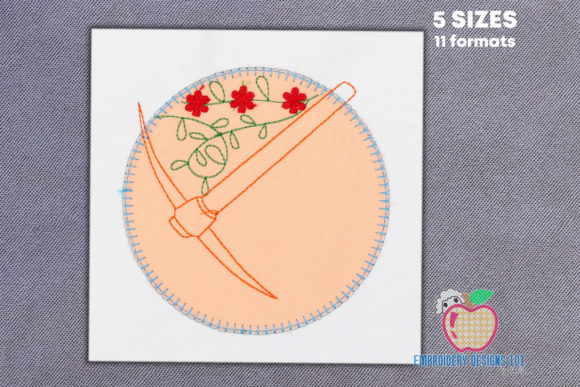
Upon loading the digital embroidery file, the first thing that strikes me about Pick Axe Made in a Circular is its structural balance. While categorized under Floral Wreaths, the inclusion of the pick axe element suggests a rugged, rustic aesthetic that diverges from traditional soft botanical motifs. This duality makes it incredibly versatile. The circular layout provides a contained, badge-like quality that feels intentional and high-end rather than random or clip-art style.
The mood of this design leans heavily into the "modern rustic" trend. It feels bold yet decorative, suitable for brands that want to convey strength and craftsmanship. For a boutique brand targeting outdoor enthusiasts or those who appreciate heritage styles, this design hits the mark. The layout ensures that the focal point—the pick axe—is framed perfectly by the surrounding elements, creating a cohesive unit that reads well even from a distance. When visualizing the finished product, I see a design that commands attention without being overly aggressive, striking a perfect balance between playful and serious.
Fabric Compatibility and Color Strategy
One of the most critical aspects of selecting a design for a small shop product line is how it interacts with different fabric textures. I tested the concept of Pick Axe Made in a Circular across several fabric types common in boutique collections. On neutral sweatshirts, such as heather grey or oatmeal, the design offers a classic, understated look. The contrast relies entirely on the thread colors chosen, allowing for a monochromatic tone-on-tone effect that screams luxury.
However, the design truly shines on dark fabrics. A deep charcoal or navy hoodie provides a dramatic backdrop where the metallic or bright threads of the pick axe can pop. For pastel colors, which are trending in cozy seasonal apparel, the design adds a necessary edge, preventing the garment from looking too juvenile. The circular nature of the wreath helps soften the industrial feel of the tool, making it appropriate for oversized hoodies where a large chest placement is desired. Whether you are aiming for a feminine twist on a tough symbol or a purely masculine workwear vibe, the adaptability of this embroidery file is impressive.
Technical Considerations for Production
Before committing to a full production run, any experienced decorator must address practical concerns regarding stitch density and stabilizer choice. Since the product description notes that steps are separated, this implies a layered construction, likely involving appliqué techniques or distinct color blocks. This separation is beneficial for managing bulk, especially on thicker fleece materials used in sweatshirt embroidery.
When working with heavy fabrics, stabilizer selection is paramount. For a design with this level of detail, I recommend using a cut-away stabilizer to ensure longevity and prevent distortion after multiple washes. The hoop size required will depend on the specific scale you choose to stitch, but given the circular composition, ensuring the hoop is large enough to capture the entire wreath without cutting off edges is essential for a professional look. Readers should verify the specific hoop requirements included with their download, as these details are crucial for planning your machine setup.
Another vital factor is small-size readability. If you plan to use this as a sleeve accent or a pocket logo, you must test a smaller version first. Complex designs can lose definition when scaled down too far. However, the bold lines of the pick axe suggest it holds up well at moderate reductions, maintaining its identity as a recognizable brand mark. Always check the minimum recommended size in the file documentation to avoid muddy stitching.
Enhancing Brand Identity and Value
In the competitive world of commercial embroidery, the right design asset can significantly affect product value. Using Pick Axe Made in a Circular signals to the customer that thought went into the merchandise. It moves the item beyond a simple printed tee into the realm of a handmade product with texture and depth. This perceived quality builds buyer trust and encourages higher price points.
For Etsy listings and online storefronts, the visual recognition provided by a strong circular logo is invaluable. It creates a consistent visual language that customers can instantly associate with your brand. When creating printable mockup previews for your marketing materials, this design photographs beautifully due to the shadow and depth created by the stitches. High-quality lifestyle product photography featuring this embroidery on cozy seasonal apparel can drive customer engagement and social media shares.
Furthermore, the versatility of the design allows for creative branding opportunities. Imagine placing a large version on the back of an oversized hoodie while using a miniature version on the cuff. This repetition reinforces brand identity without feeling repetitive. The rustic charm of the pick axe combined with the organic flow of the wreath creates a unique signature that sets a boutique apart from mass-market retailers.
Final Verdict for Boutique Use
After a thorough evaluation, Pick Axe Made in a Circular proves to be a robust choice for apparel decorators and creative entrepreneurs. Its ability to transition seamlessly from a statement back piece to a subtle chest emblem makes it a versatile addition to any design library. The separation of steps mentioned in the description suggests ease of use for multi-color projects, allowing for precise thread changes and clean finishes.
While the specific stitch count and exact file formats were not detailed in the initial overview, it is standard practice to confirm these technical specs before beginning a large batch. Ensure your machine supports the provided formats and that you have the correct needles for the fabric weight you intend to use. With proper preparation and high-quality materials, this design has the potential to become a staple in your collection, driving sales and enhancing your reputation for quality custom apparel.
Ultimately, the success of this project lies in the execution. By paying attention to thread contrast, stabilizer support, and placement, you can transform this digital file into a tangible asset that resonates with your audience. For those looking to add a touch of rugged elegance to their next drop, this design is a compelling option worth exploring.