Floral Quilting Design Review for Craft Fair Success
As an embroidery designer preparing for a busy weekend at the local artisan market, my table setup is everything. It is the difference between a browser stopping to chat and someone walking right past. This week, I am evaluating the Floral Quilting Design to see if it earns a prime spot on my display rack. When you are running a small shop product line, every machine embroidery design you choose must pull its weight in visual appeal and production efficiency. This review breaks down how this specific floral motif performs across various handmade products, from kitchen linens to wearable accessories.
First Impressions and Market Fit
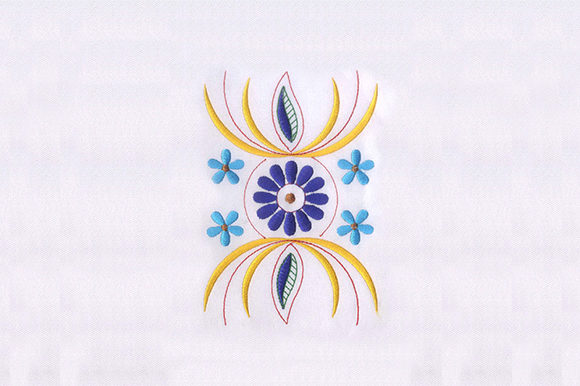
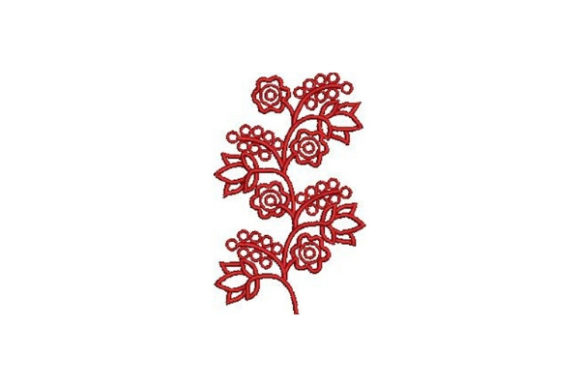
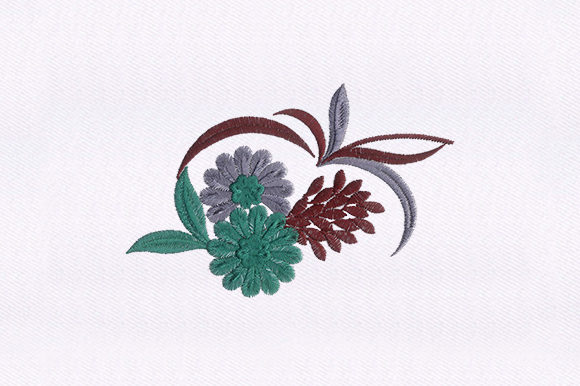
The moment I loaded the Floral Quilting Design onto my screen, the vibe was immediately clear. It strikes a perfect balance between rustic charm and elegant simplicity. It does not scream "loud" or "novelty"; instead, it whispers "quality." For a craft fair product, this subtlety is often a huge advantage. Customers at handmade markets are looking for items that feel premium yet accessible. The floral elements suggest a softness that fits perfectly within the Bedroom category, making it an ideal candidate for pillow covers and decorative throws, but its versatility allows it to transcend into the kitchen and wardrobe seamlessly.
In a booth filled with colorful chaos, a design that offers a sense of calm and structure stands out. The Floral Quilting Design feels like a classic choice that will not date quickly, ensuring that the finished product remains desirable long after the fair ends. It appeals to the buyer who appreciates traditional craftsmanship but wants a modern touch.
Product Versatility and Display Strategy
The true test of any digital embroidery file is how well it translates across different substrates. I envision this design anchoring several key items on my table. First, consider the tote bag design. A canvas tote with this floral motif centered on the front becomes an instant bestseller. It transforms a basic utility item into a boutique accessory. The design scales well, acting as a large focal point that catches the eye from three feet away.
Moving to the kitchen section, apron embroidery and tea towel embroidery are staple sellers. The floral nature of the design complements linen and cotton blends beautifully. On an apron, placed slightly off-center or on the bib, it adds a touch of personality without overwhelming the garment. For tea towels, the design serves as a decorative border or a central medallion, elevating a simple cloth into a giftable handmade product.
I also see potential for smaller goods. An embroidered patch featuring this motif could be applied to denim jackets or hats, offering a lower-price-point entry for customers. Furthermore, fabric pouches and zippered bags benefit from the intricate details of the floral pattern, making them feel luxurious. While the primary category might lean toward Bedroom decor like pillow shams, do not limit yourself; this Embroidery asset works wherever texture and elegance are needed.
Production Practicality and Batch Efficiency
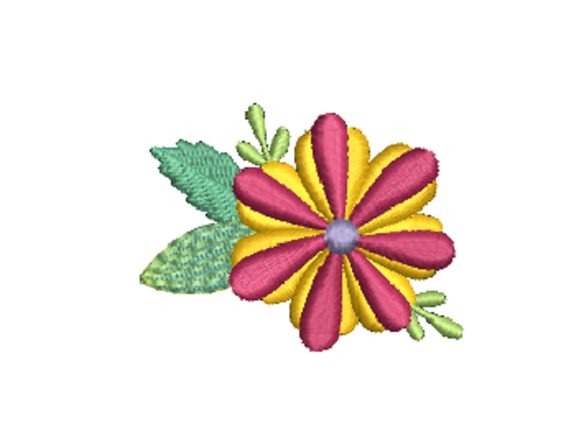
For an Etsy seller or booth vendor, time is money. The Floral Quilting Design appears to have a logical stitch path, which is crucial for batch production. When you are stitching twenty tote bags before a Saturday morning market, you need a file that runs smoothly without excessive trims or jumps that slow down the machine. The flow of the petals and leaves suggests a continuous coverage that minimizes thread breaks.
Photography is another critical factor. In online listings, the printable mockup potential of this design is high. The contrast between the floral elements and typical background fabrics creates a sharp image that pops on social media feeds. Whether you are creating design assets for your website or taking photos at the booth, the definition in the flowers ensures the product looks professional in pictures. This visual clarity drives buyer engagement and justifies a higher price point for your commercial embroidery goods.
Critical Considerations for Execution
While the design is promising, a professional review must address potential pitfalls. Not all fabrics play nice with every pattern. Here are specific areas where caution is required when using the Floral Quilting Design:
- Fabric Texture: Highly textured towels or looped fabrics can cause small details in the floral centers to get lost. Always test on the actual material you intend to sell.
- Stitch Density: If the design has dense areas, ensure your stabilizer choice is robust enough to prevent puckering, especially on lighter weight fabrics like linen tea towels.
- Curved Surfaces: Applying this to caps requires careful hooping. The curvature of a cap can distort wide floral spreads, so check how the design sits on the front panel before committing to a full run.
- Thread Contrast: On dark fabrics, verify that the thread colors provided in the file offer sufficient contrast. You may need to manually adjust the color sequence to ensure the flowers do not blend into the background.
- Size Limitations: Shrinking the design too much for a tiny pocket accent might merge delicate petals into a solid blob. Respect the minimum size limits of the original file.
Designer Notes for Quality Assurance
Before listing this as a small shop product or adding it to your inventory, follow these practical steps to guarantee quality. First, stitch out the design on scrap fabric that matches your final product exactly. Do not skip this step. Check the hoop size requirements against your machine's capabilities; the file formats listed (including DST, PES, EXP, and others) suggest broad compatibility, but physical hoop limits vary by machine model.
Inspect the back of the sample. Excessive bobbin thread buildup can make garments uncomfortable to wear, particularly for apron embroidery or items touching the skin. Review the spacing between floral elements to ensure there is no flagging or loose loops. If you plan to sell finished goods, confirm the commercial licensing terms associated with the embroidery file. While the file comes in numerous formats like JEF, VIP, and XXX, the license dictates how you can use it.
Finally, create at least one real-world mockup. Hold the finished item in your hands. Does it feel premium? Does the Floral Quilting Design enhance the brand identity you are building? If the answer is yes, then this design is ready to become a cornerstone of your next craft fair collection. By balancing aesthetic appeal with production reality, you turn a simple digital file into a profitable, tangible asset for your business.